
Table Lamps vs Floor Lamps: Which Is Best for Reading?
You can buy the perfect armchair, get the cushion just right, and still end up squinting at the page because the lamp is in the wrong spot. Reading light is fussy: bright enough to be comfortable, soft enough not to glare, and placed so your own head does not throw a shadow across the words. Table lamps and floor lamps can both do the job beautifully. Which suits you depends on your seating, your space and how you like to sit.
Start with height, not style
Height decides most of it. Light should reach the page from over your shoulder or from the side, angled down — never straight into your face. As a rule, the bottom edge of the shade should sit roughly at eye level when you are sitting in your reading chair. The bulb stays hidden, and the light still spills down onto the book.
- Table lamp on a side table: a typical side table is 55–65cm high and a typical table lamp adds another 50–70cm, putting the shade at around 1.1–1.3m. That is the right zone for most seated readers.
- Floor lamp: usually 1.4–1.8m tall, which clears the back of most chairs without turning the page into a spotlight from above.
Measure before you shop: sit in the chair and compare your eye level with the lamp's total height and the depth of its shade. A low armchair paired with a tall side table pushes a table lamp straight into your eyeline, and if you read slouched or leaning back, an adjustable floor lamp is more forgiving.
Shade shape: where glare begins
Shade shape is the detail most people ignore, and it does more for comfort than any other part of the lamp.
A tapered (empire) shade — narrower at the top, wider at the bottom — throws light down and out, which is exactly what you want: the wide opening spreads light over the page while the solid sides shield the bulb. A drum shade does something similar, but because its sides are vertical the bulb sits closer to eye level and becomes visible if the lamp is short.
- Deep, narrow shades funnel light into a tight circle. Great for a paperback, harsh if you glance up.
- Shades with a wider top opening also throw light upwards, softening the contrast between page and room.
- Opaque metal shades with a directional opening give the most control, though they look more functional than decorative.
- Glass shades look lovely switched off and glare badly switched on. Keep them below eye height.
Before you buy, hold a similar shade at the right height and check that you cannot see the bulb when seated.
The bulb matters as much as the lamp
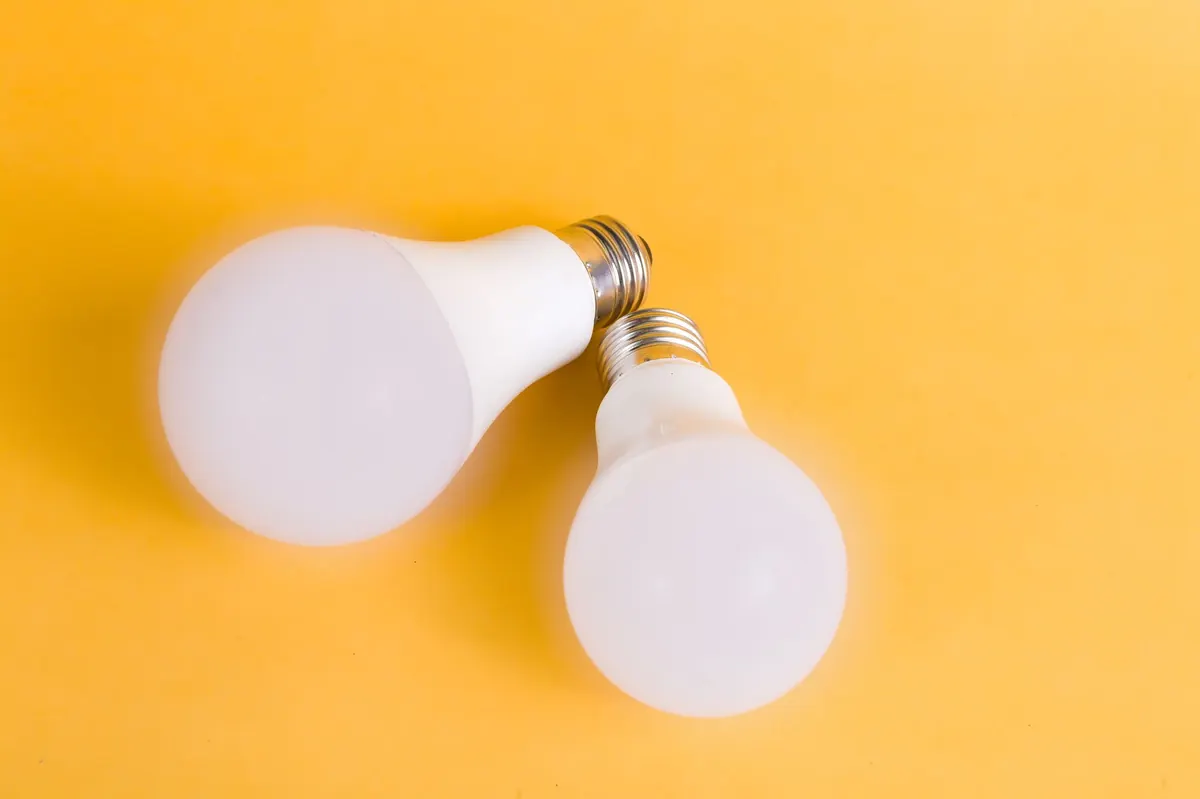
Watts tell you how much electricity a bulb uses, not how bright it is — especially with LEDs. Look for lumens for brightness and kelvin for colour.
- Warm white, around 2700K, is usually the most restful choice for reading.
- Roughly 400–800 lumens is a sensible range for a single reading lamp, depending on how close it sits and how bright the rest of the room is.
- Choose a frosted bulb rather than a clear one; the diffused light is easier on the eyes.
- If the lamp is dimmable, fit a dimmable bulb. Standard LEDs will flicker or buzz on a dimmer circuit.
A bulb that is too bright for its surroundings is worse than one slightly too dim. The contrast between a blazing pool of light and a dark room tires the eyes quickly, so layer your lighting — a task lamp for the page plus something softer for the room.
Table lamps: precise, but they need furniture
Table lamps put light exactly where you sit, are easy to nudge into position, and come in enough styles to sit happily in a living room. The catch is the table. No side table, no table lamp — and the surface you use is surface you cannot put a mug of tea on. Low side tables are the trickiest case: a small lamp ends up too low, a tall one looks top-heavy and is easy to knock over.
Floor lamps: height and reach
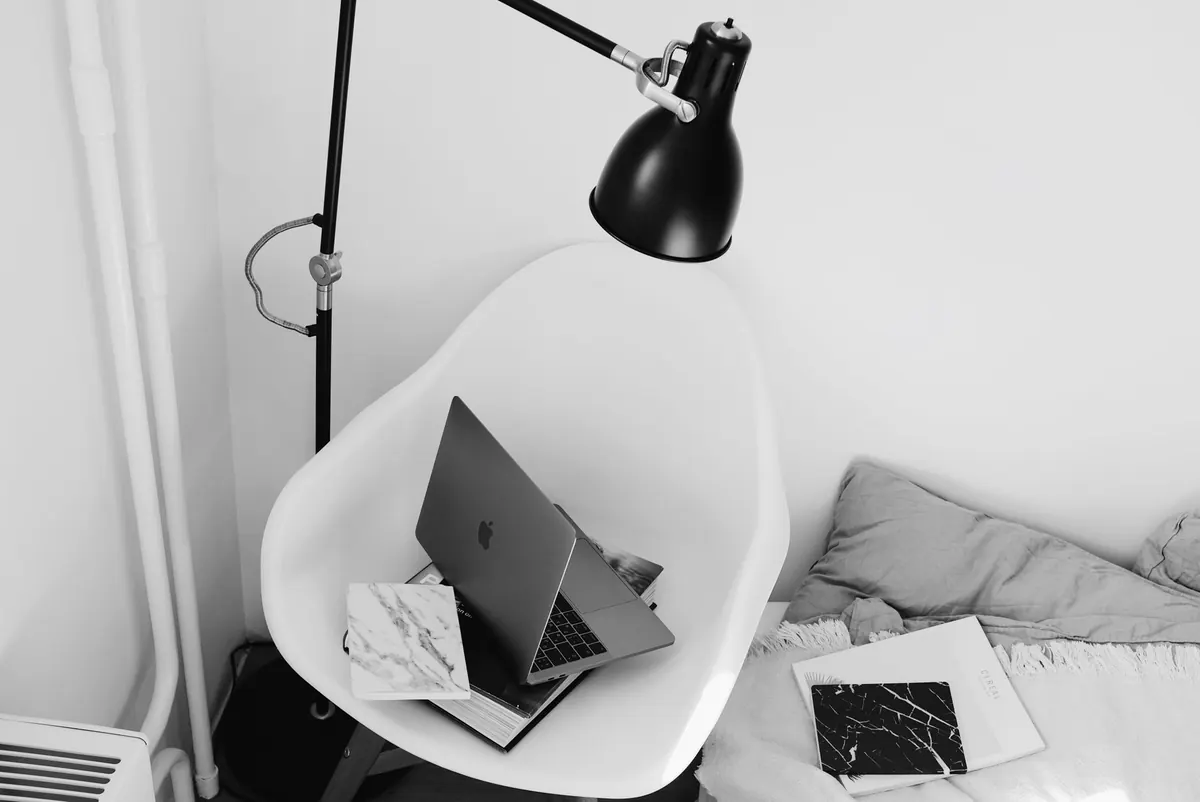
A floor lamp removes the furniture problem. It reaches over the back of a chair, works in a corner where there is no room for a table, and models with an adjustable arm or head let you aim light precisely at the page.
- Check the base. A weighted base matters with children, pets or a habit of catching things with your foot.
- Fixed-height lamps cannot be adjusted for a different chair, so a shorter reader may find the light too high.
- Cables are on show, so plan the route to the nearest socket before you commit.
Space, seating and switches
Think about the cable, the switch and whether you can reach both without leaving the chair. A lamp you have to get up to switch on will not get used, so foot switches, inline switches and touch dimmers matter more than they sound.
In a small room, one floor lamp with a directional head can serve as reading light and ambient light at once. In a larger room with a side table already in place, a table lamp is tidier — and a matching pair flanking a sofa looks more considered than a single tall lamp in the corner.
Setting up a comfortable reading corner
- Sit in the chair and note your eye level. The bottom of the shade should sit roughly there.
- Put the light at your side or just behind your shoulder, never directly in front.
Photo: ready made / Pexels