

How to Light a Dark Hallway Without Rewiring
A dark hallway is rarely dark in one simple way. It is usually a small space with no ceiling rose where you need one, no socket within reach, and a landlord who would rather you did not start chasing cables into the walls. The good news is that you do not need a rewire to fix it. With a battery ceiling light, a plug-in fitting, a motion sensor and a well-placed mirror, most halls can go from gloomy to genuinely pleasant in an evening.
Here is how to think about it, and what to buy.
Start with the three jobs a hall has to do
A hallway is not a room you sit in, so it does not need even, flat lighting across the whole space. It needs to do three things well:
- Get you from the front door to the next room without groping for a switch.
- Show your face and your keys clearly before you leave the house.
- Stop the space feeling like a tunnel when you are carrying shopping in.
That means layers rather than one heroic ceiling light. An overhead source at the door end, a second light at face height near a mirror, and a low glow for night trips covers almost every hall. Warm white, roughly 2700K to 3000K, suits a hallway; anything much cooler tends to look institutional, especially where there is no daylight.
Battery ceiling lights: no electrician, no wiring
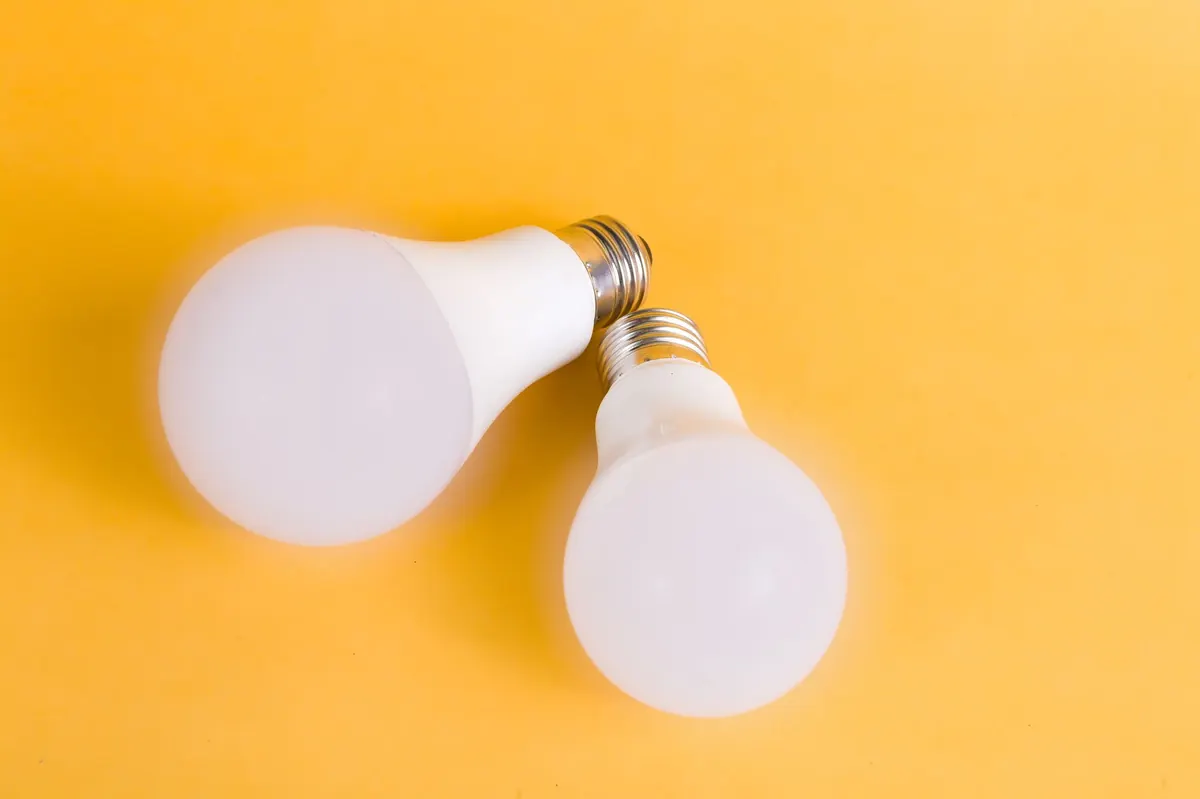
Battery-powered ceiling lights have come a long way from the plastic push-on discs of a decade ago. You can now buy slim LED panels and puck-shaped fittings that run on AA cells or a built-in rechargeable battery, come with a remote control, and mount on a small bracket or an adhesive plate.
A few things worth checking before you buy:
- How it charges. Built-in rechargeable lights with a USB-C port are easier to live with than models needing four AA cells every few weeks.
- How it switches on. A pull cord is fine above a door. A remote is better if the ceiling is high or you want to dim it.
- Where you mount it. Fit it towards the front-door end of the hall, not the middle, so the light falls where you actually walk.
Expect to recharge a heavily used ceiling light every few weeks. Keep the charging cable in a hall drawer and it becomes a two-minute job rather than a chore.
Plug-in ceiling and wall lights
If there is a socket anywhere in the hall, even one hiding behind a shoe rack, you have more options than you think. Plug-in pendants with a long fabric flex and an inline switch are hung from a ceiling hook and simply plugged in. Once the cable is tidied, they read as proper fittings rather than a workaround.
Plug-in wall sconces do the same job at shoulder height. Look for one with the switch on the backplate so you are not reaching behind a coat. Some models include a small socket on the base, which is quietly useful in a hall where power points are scarce.
Two practical rules. Run the cable in self-adhesive trunking down a corner or along the skirting rather than draping it across a doorway, and never let a flex trail where someone might catch a foot on it in the dark. LED fittings draw very little, so one light on a short extension lead is not a heavy load, but if you are ever unsure about a plug-in arrangement, ask a qualified electrician rather than guessing.
Motion-sensor lights for the middle of the night
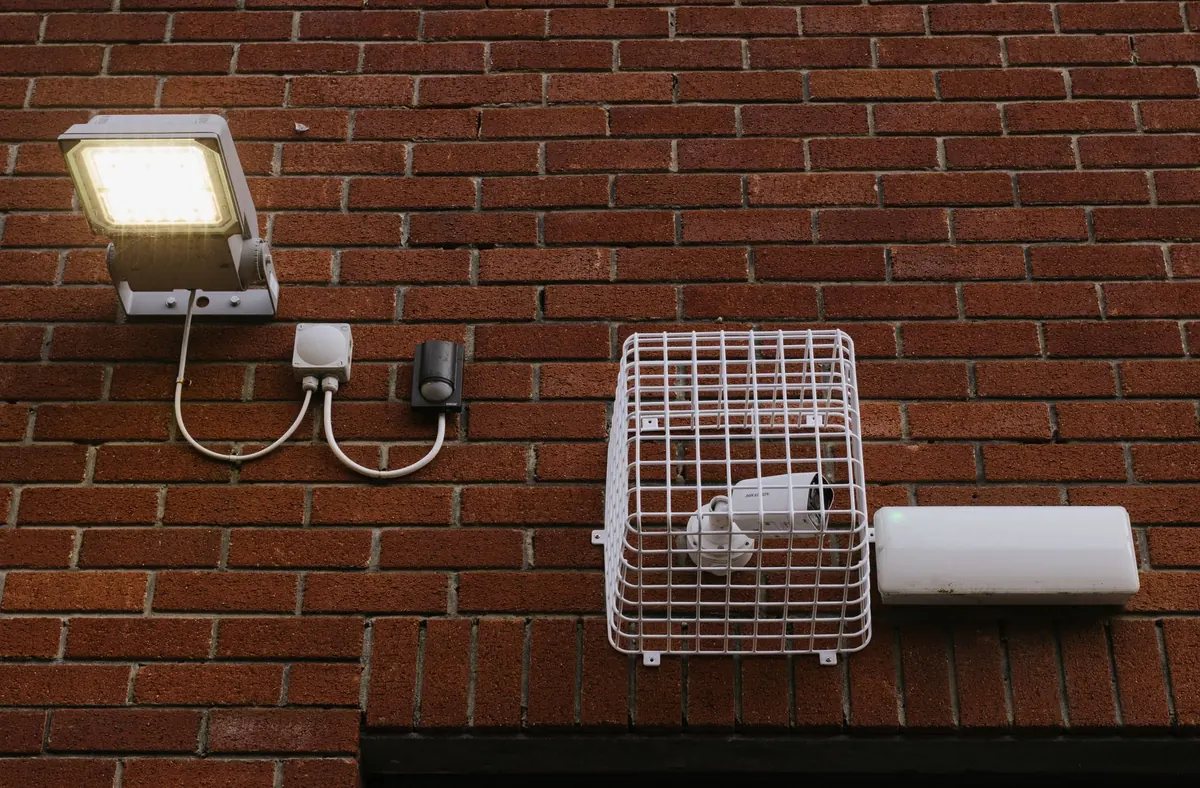
The light you use most in a hallway is the one you switch on at 3am, half asleep. Battery motion-sensor strips and bars solve this neatly. Most are 20cm to 40cm long, fix with a magnetic plate or an adhesive pad, and recharge over USB.
Sensor placement matters more than brightness. Passive infrared sensors pick up movement across their field of view far better than movement straight towards them, so mount the strip sideways on a wall rather than facing down the corridor. Set the timer short, 15 to 30 seconds is plenty, or you will get a light show every time someone walks past. Under a hall shelf, along a stair stringer or inside a coat cupboard, they are excellent.
Mirrors and mirror-friendly lights
A mirror is the cheapest extra light in the house. Put one opposite your brightest source and it will bounce that light back down the hall, making the space feel twice as wide. Position it where you naturally glance on the way out.
If the mirror is the only surface you have to work with, there are fittings designed for exactly that: rechargeable Hollywood-style bulb strips that sit around a frame, and thin backlit LED panels that clip or adhere behind the glass. Aim for light at face height, ideally from above or from both sides, so you are not peering through a shadow to check your collar. Warm white keeps it flattering in a hall.
Fixing and cable tips for rented or awkward halls
Adhesive pads are brilliant on some surfaces and useless on others. A few habits will save you a lot of frustration:
- Clean the wall with a little isopropyl alcohol or a degreasing wipe and let it dry fully before sticking anything up.
- Leave freshly painted walls for a week or two. Adhesives rarely hold on new emulsion.
- On textured, lining-papered or damp walls, use a small screw-in hook or a picture hook instead, and fill the holes when you leave.
- Keep cables out of doorways and away from stair edges. Trunking along the skirting or up the corner of a wall looks intentional and prevents trips.
- Check your tenancy agreement before drilling. Small picture hooks are often acceptable, but ask first if you are not sure.
- Keep every fitting clear of curtains, piles of post and anything that could be knocked into.
A plan you can finish in one evening
Stand at your front door with the lights off and walk the route you take every day. Note where you want light and where you currently feel for a switch. Then work through this:
- Fit one warm battery ceiling light or plug-in pendant at the door end.
- Add a motion-sensor strip low on a wall or stair stringer for night trips.
- Hang a mirror opposite your brightest source.
- Put a battery sconce or mirror light at face height.
- Tidy the cables, charge the batteries, and note the recharge date somewhere you will see it.
None of it needs a screwdriver for long, and none of it needs the ceiling opened up. If you later decide you want a properly wired fitting, that is a job for an electrician — but for now, a dark hall is a solvable problem, and most of the solution costs very little.
Photo: Simedblack / Pixabay